Protecting Healthcare Networks Against Organized threat Actors

by
Nametag
North Korea Blog Post Header

What Unverified Identity Costs Enterprises Every Year

An industry-by-industry breakdown of what unverified identity costs enterprises every year.

In a striking Sector Alert this April, the U.S. Department of Health warned health providers against threat actors using sophisticated, coordinated social engineering attacks on hospital IT helpdesks. After successfully taking down Change Healthcare, MGM, Clorox, and countless others, hacker groups like Scattered Spider have further refined their techniques. IT and security teams at healthcare organizations need to be aware of the threats and take proactive measures to protect their organizations.

Writing on Forbes, Nametag CEO Aaron Painter breaks down the DoH's Sector Alert, including specific thing to keep in mind when implementing their recommendations.

Read Aaron Painter on Forbes: Combating Threat Actors In The U.S. Healthcare Sector

Related Posts

Why identity verification belongs in your 2027 budget
Unverified identity costs a 15,000-employee organization $4M to $8M a year. See why identity verification belongs in your 2027 budget.
How to Detect North Korean IT Workers in Hiring
The FBI says no single check catches North Korean IT workers. Here is what its identity in depth guidance means for hiring teams.
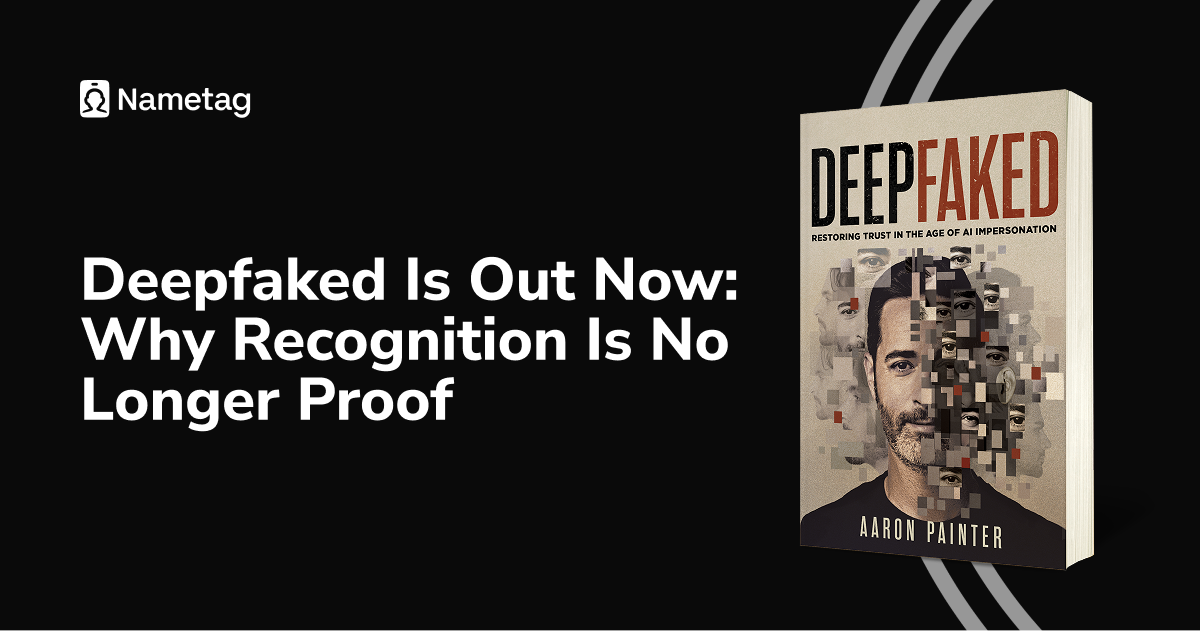
Deepfaked Is Out Now: Why Recognition Is No Longer Proof
Aaron Painter’s new book Deepfaked launched today and argues that AI can now copy a face and voice well enough that recognizing someone no longer proves who they are, so organizations need to verify the real person at the moments that matter.
Secure your helpdesk against social engineering and impersonators.
Decline
Accept All Cookies